Villa Design in Dubai Hills Estate
A villa in Dubai Hills Estate is designed inside a set of community rules before it is designed for a permit. The estate is a newer master-planned community built around a golf course and a central park, with a contemporary architectural character. Understanding how those two facts fit together is where a considered design for the estate begins.
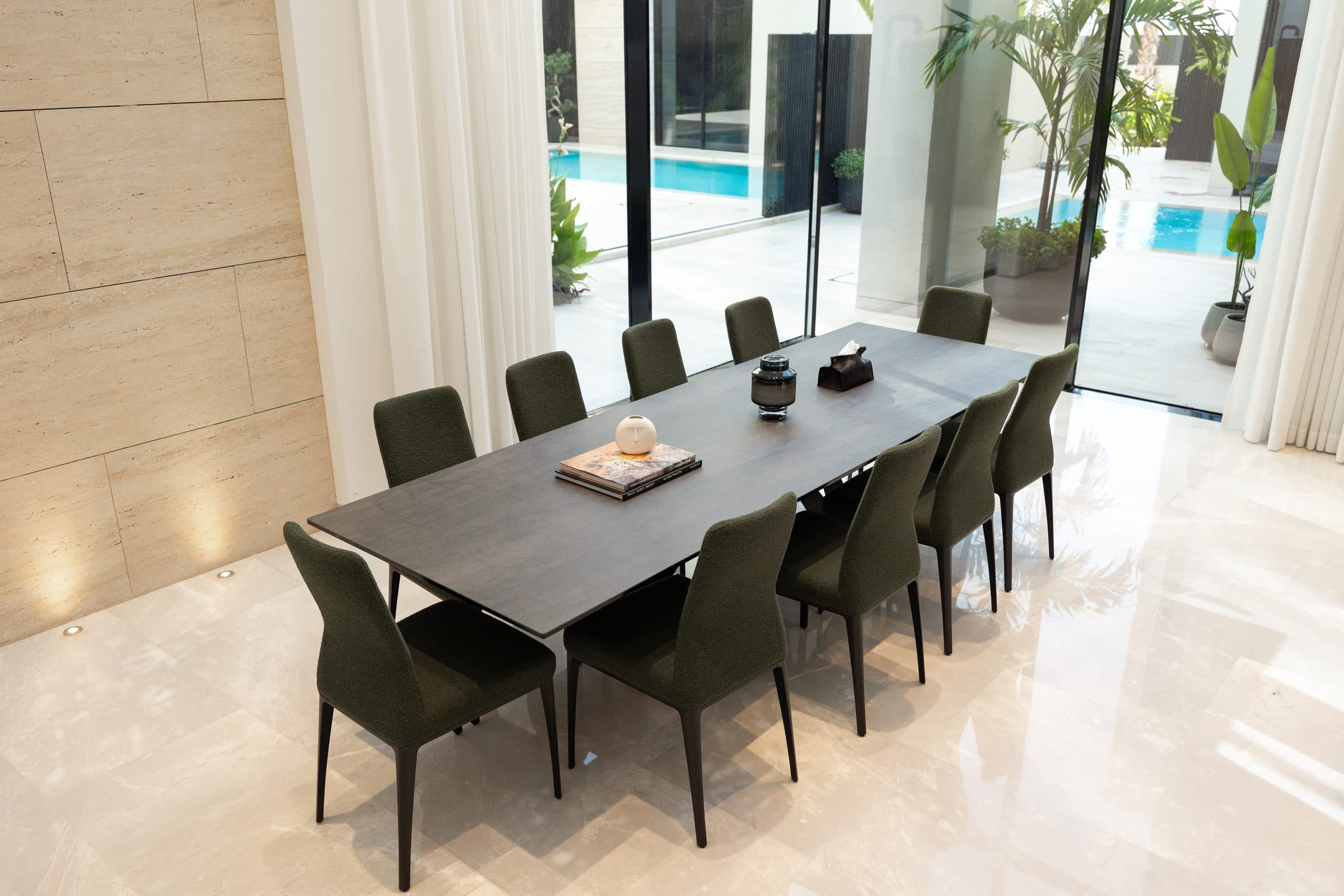
Designing a villa in Dubai Hills Estate begins inside the community, before any submission reaches the permitting authority. The master developer sets design guidelines for the estate, and each proposal is reviewed against them until a no-objection is issued; only then does the drawing set move on to the permitting authority. This order is fixed, and it shapes how a design is developed from the first sketch. LKYOOB works within that sequence. The studio designs villas in Dubai Hills Estate and is registered with Dubai Municipality in the name KYOOB ENGINEERING CONSULTANCY L.L.C, so it lodges its own permit applications rather than handing them to a separate party. A single practice therefore carries the design from the community's guideline review through to the authority submission, holding the intent of the drawings across both stages instead of translating it twice.
How do approvals work for a villa in Dubai Hills Estate?
In Dubai Hills Estate the community's own review comes first. The master developer holds design guidelines for the estate, and a villa proposal is assessed against them before it can go further; a no-objection is issued once the design sits comfortably within those guidelines. Only after that no-objection is in hand does the set proceed to the permitting authority. The practical effect is that the design is read in sequence rather than all at once, and the first reading is the community's. A design that overlooks the estate's guidelines can satisfy a technical check and still be returned at the community stage, which is why the guideline reading is treated as the governing constraint from the outset. LKYOOB develops each Dubai Hills Estate villa with that order in mind, resolving the community's requirements first so the later permit submission carries a design that has already been accepted.
What the estate's design guidelines shape
The estate's design guidelines set the frame each villa is designed within. In practice, designing well for the estate means resolving the familiar questions any villa poses: its overall massing, how it sits on its plot, the treatment of roof and boundary, and the way a facade reads from the street and from the shared open space. The estate leans towards a contemporary architectural character, and a considered design holds that register while still carrying a family's own brief. Working within the guidelines is less a matter of restriction than of reading them early. LKYOOB studies the guideline set for the plot at the concept stage, so the first design moves are made inside the community's language rather than corrected into it after a rejection.
Designing for the golf course and central park
Much of Dubai Hills Estate is organised around its golf course and a central park, and a villa's relationship to that landscape guides several early decisions. Orientation is one: where a plot faces open green, the design can open towards it with framed views and shaded outdoor rooms, while a plot that faces the street asks for privacy to be built in from the front. Sun path matters in this climate, so glazing, overhangs, and the placement of terraces are set to keep interiors comfortable through the day. Material choices follow the estate's contemporary character, favouring restrained palettes, clean stonework, fine metalwork, and glazing detailed to sit calmly rather than to draw attention. LKYOOB treats these as design questions to answer against the specific plot, not as a template applied to every villa, so that each home reads as considered for where it stands.
Why a single licensed practice matters here
The order of approvals in Dubai Hills Estate rewards continuity. Because the community's no-objection has to be secured before the permit route opens, keeping the design inside one practice carries the reasoning that earned the no-objection straight into the permit stage. That is how LKYOOB works: the drawings that satisfy the community's review are the same drawings carried to the permitting authority, signed by the practice that produced them. Its classification on the register extends to G+4. The result is a single line of accountability from the first concept through to the authority submission.
LKYOOB projects in Dubai Hills Estate
These are commissions LKYOOB has drawn for plots in Dubai Hills Estate. Each page states whether its images are photographs of a finished house or design visualisations produced before construction.
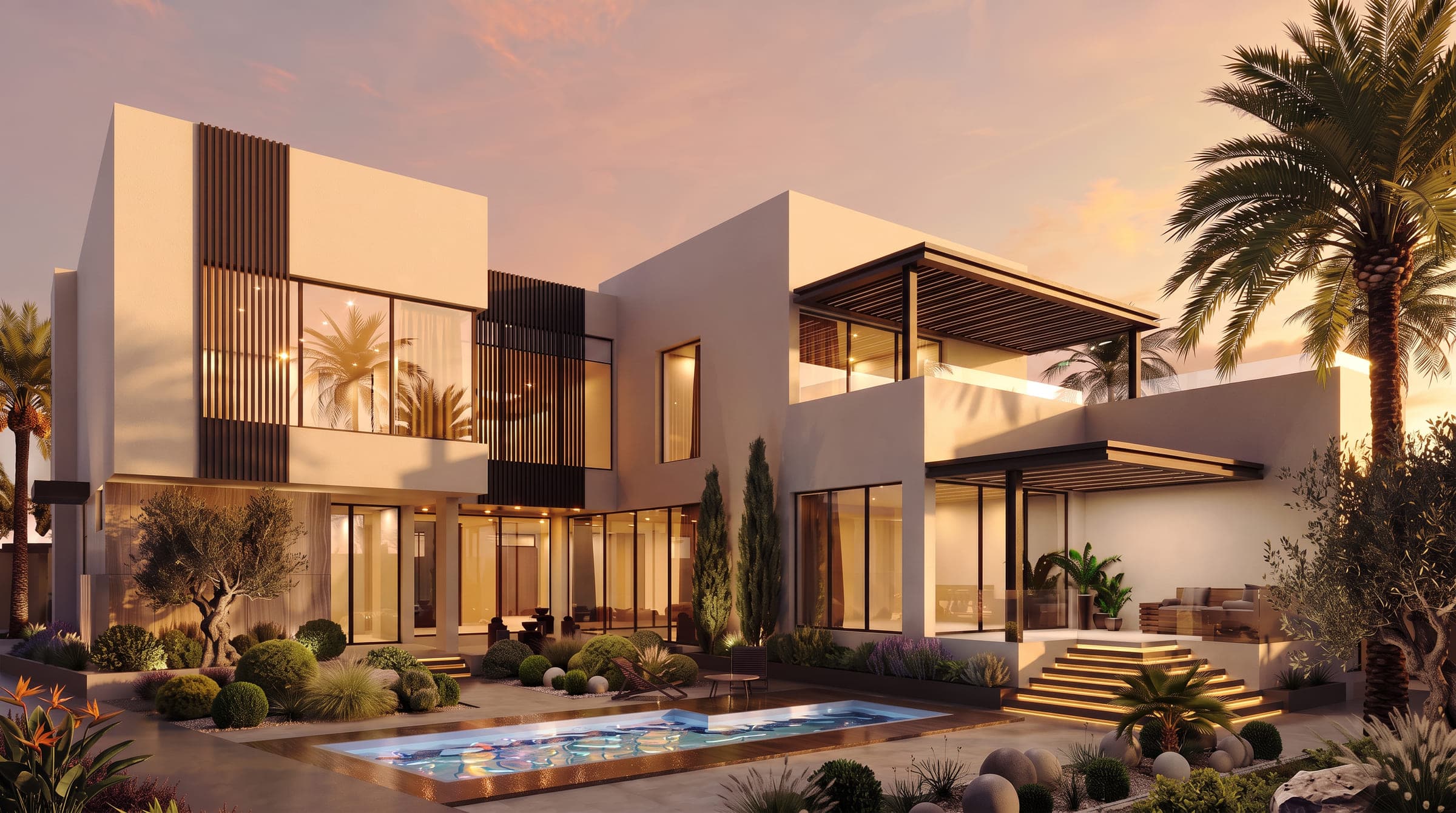
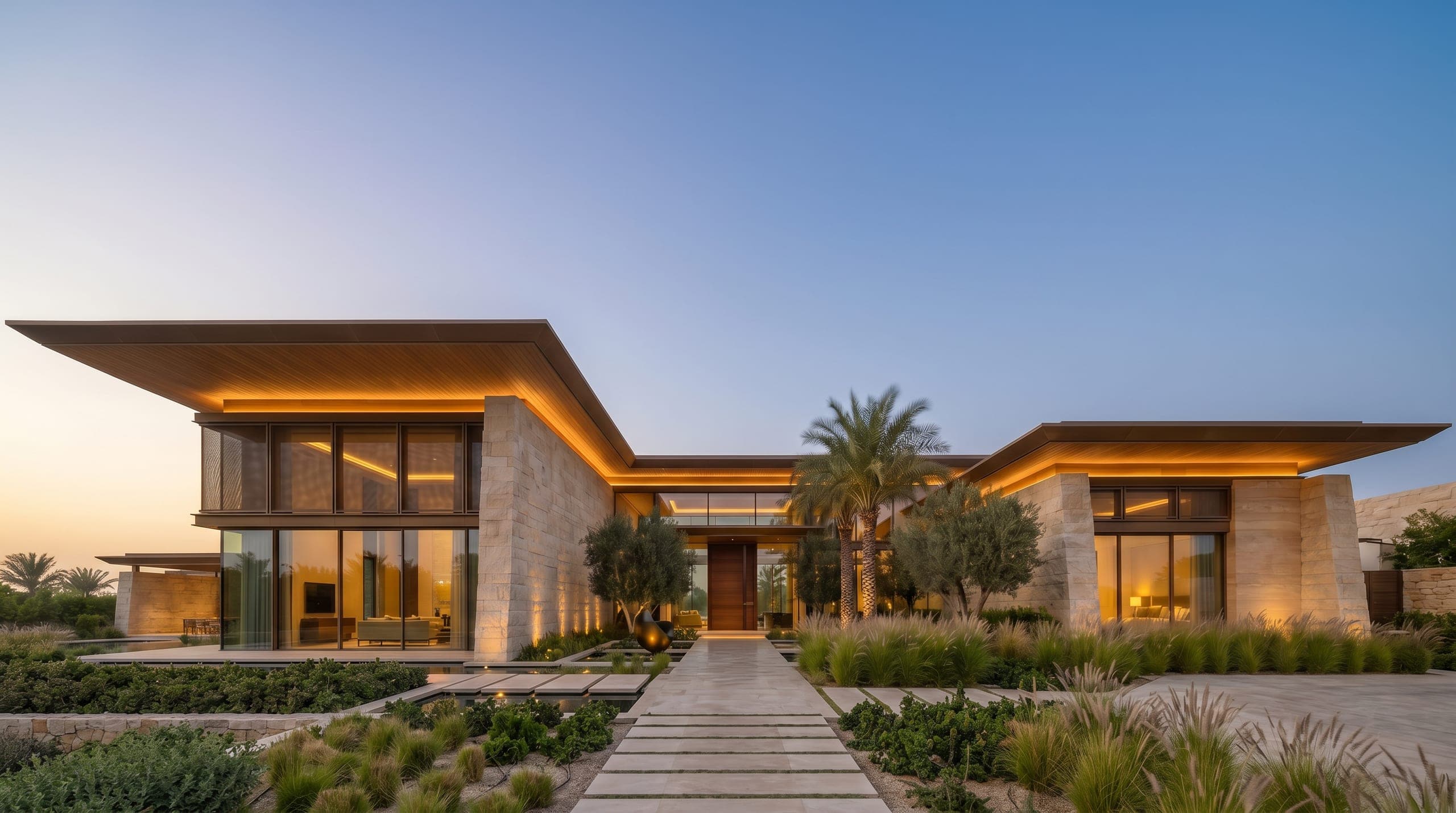
Dubai Hills Estate asks a villa to earn the community's acceptance before it earns its permit, and the two are easier to reach when one practice holds the design across both. LKYOOB works this way in the estate, reading the guidelines for the plot early and carrying a single set of drawings from concept through to the authority submission. A conversation about a specific plot is the natural place to begin.
Begin a conversation with the studio in Jumeirah.
Designing a villa for a plot in Dubai Hills Estate · The approvals route, step by step · Design and build under one appointment
Other Dubai communities · How to choose a villa architecture firm